

New FIS Doping Rules to be Introduced
14th November 2026
They aim to make anti-doping more proportionate and more athlete-centered, with greater emphasis on due process, privacy, and welfare. The new rules come into force on January 1st 2027. NEW
The Council of the International Ski and Snowboard Federation, FIS, has approved the FIS 2027 Anti-Doping Rules.
The new rules take effect on 1 January 2027, when the revised World Anti-Doping Code (the Code) and its accompanying International Standards come into force.
The Code is updated every six years.
“Every new Code is a chance for the whole anti-doping system to learn and improve,” says Vanda Wallace-Jones, FIS Anti-Doping Manager.
“The 2027 rules aim to make sanctions more proportionate, processes clearer, and provide stronger protections for young athletes.
“Our priority now is making sure athletes, coaches, and national associations know what is changing and what they need to do before 1 January.”
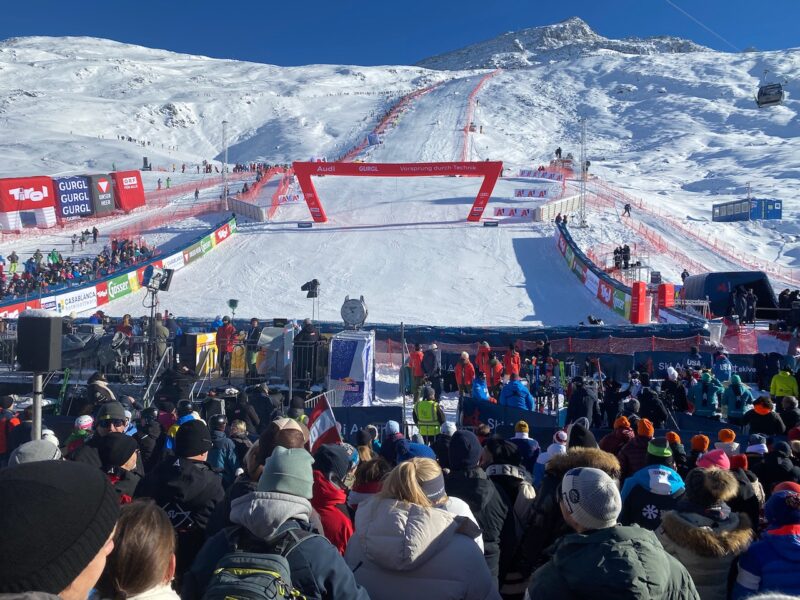
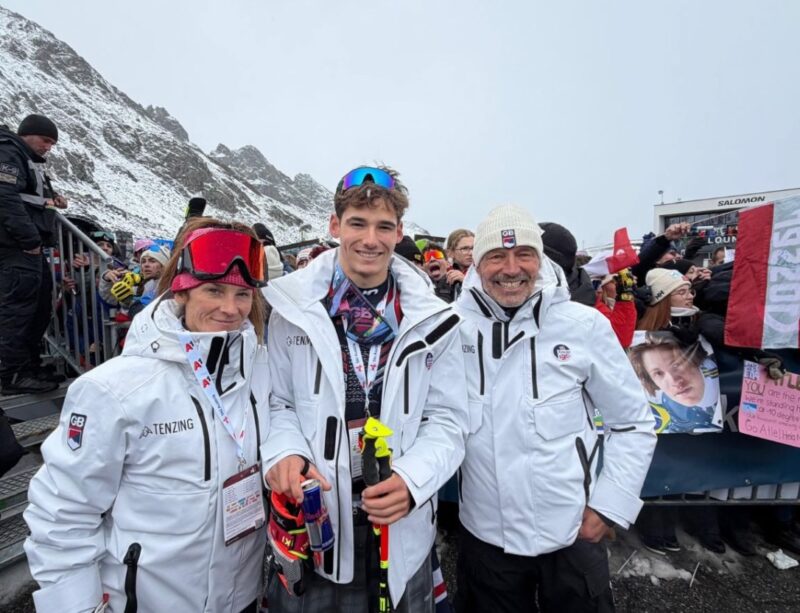
Gurgl World Cup. Image © PlanetSKI
Key changes under the 2027 rules
More proportionate sanctions:
For violations involving a non-Specified Substance or non-Specified Method, the standard period of ineligibility is four years.
It shall be reduced to two years if the athlete can establish how the substance entered their system, or how the method was used, and that the violation was not intentional.
A three-year period shall apply if the athlete cannot establish that the violation was not intentional, but can establish how the substance entered their system, or how the method was used, and that the circumstances were unrelated to sport performance.
A broader approach to contamination:
The concept of “Contaminated Product” is replaced by “Contaminated Source,” meaning an unforeseeable source of a Prohibited Substance.
This includes medications or supplements containing an undisclosed Prohibited Substance, contaminated food or drink, and exposure through direct physical contact with another person or with objects touched or handled by that person.
- Substances of Abuse: if an athlete can establish that the ingestion or use occurred out-of-competition and was unrelated to sport performance, the period of ineligibility for a first violation is two months. A mandatory provisional suspension does not apply to an Adverse Analytical Finding involving a Substance of Abuse.
- Early admission: an athlete or other person who admits an ADRV and accepts all asserted consequences within 20 days of receiving notice of the charge receives a 25% reduction from the period of ineligibility stated in the notice of charge. If the asserted period is more than four years but less than lifetime ineligibility, the reduction is one year. Certain exceptions apply.
- Stronger protections for young athletes: a Protected Person includes athletes under 16 and people who lack legal capacity under applicable national law. Athletes aged 16 or 17 are also Protected Persons unless they are included in a Registered Testing Pool and have never competed in an International Event in an open category. These athletes benefit from additional safeguards, including protection from mandatory public disclosure and mandatory investigations into the athlete support personnel supporting them when an ADRV occurs.
- Greater privacy: if it is determined after a hearing or appeal that an athlete or other person did not commit an ADRV, or bears No Fault or Negligence, the case is not publicly disclosed without that person’s consent. Exceptions apply if the person’s identity is already public, consequences have been or are being imposed, or other compelling circumstances support public disclosure.
- Athlete photo: athletes in a Registered Testing Pool or individual Testing Pool must upload a passport-style photo to ADAMS, WADA’s Anti-Doping Administration and Management System, to help Doping Control Officers identify them.
- Clearer appeal routes: national-level athletes can now appeal a decision of a national-level appellate body to the Court of Arbitration for Sport (CAS). The national-level appeal remains the first step, unless no appropriate national appellate body is in place and available. In addition, a standard 21-day appeal deadline now applies to all parties other than WADA, running from receipt of the decision or, where the complete case file has been requested on time, from receipt of that file.
- Faster Therapeutic Use Exemptions (TUEs): decisions on complete TUE applications should normally be made within 21 days. A TUE granted by a National Anti-Doping Organization (NADO) is automatically recognised by FIS for international-level competition, unless WADA has granted FIS an exception to automatic recognition. If the TUE is automatically recognised, the athlete does not need to take any further action.
The changes draw on feedback from more than 600 athletes and athlete commissions across over 60 countries and 70 sports.
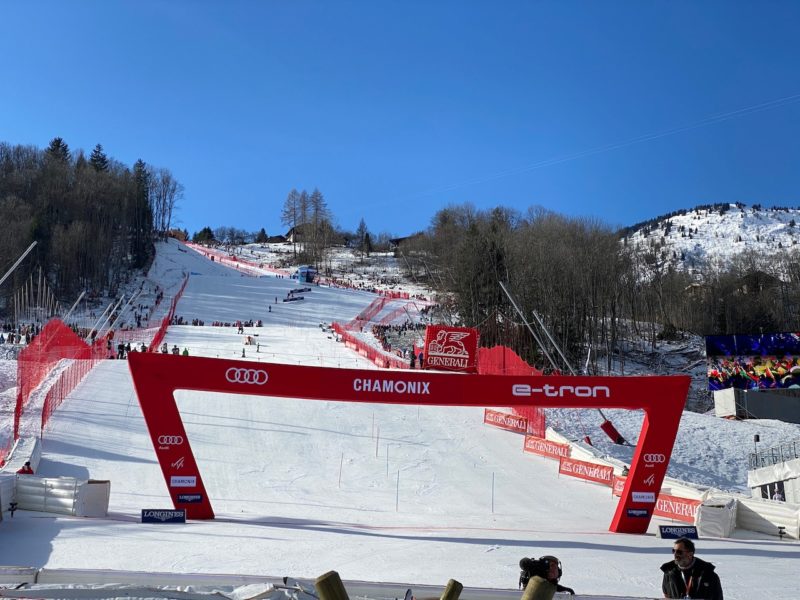
Chamonix World Cup slalom. Image © PlanetSKI
As the season approaches do check out a special section on the website containing all the news & developments for next winter:
PlanetSKI: Number 1 for digital ski news
Your digital platform for ski news, resort information, travel, equipment rental, sport, money saving deals and everything connected with snowsports – web site, social media & more..