


Drought in Switzerland Intensifies
1st August 2026
Between April 1 and June 28, only 185mm of rain fell nationwide on average, about half of the norm, according to Meteo Swiss. The Swiss government raised the drought alert…
Read more >
Between April 1 and June 28, only 185mm of rain fell nationwide on average, about half of the norm, according to Meteo Swiss.
The Swiss government raised the drought alert for a large part of the country to the maximum level.
Numerous municipalities have introduced restrictions on water consumption.
Climate change is increasing the intensity and duration of periods of water scarcity, with sometimes unforeseen impacts that go beyond dried-up rivers and yellowing meadows.
Across much of Switzerland, river flow – even on the largest ones like the Rhine – is low to very low for the season.
Below-average snowpack in the mountains reduced the contribution from spring snowmelt, with effects on the main lowland rivers.
The levels of several lakes, including Lake Constance and Lake Lucerne, are unusually low.
Groundwater levels also range from normal to very low, especially in the Alps.
Glaciers are retreating, and the snowpack at the end of winter is decreasing.
“These natural reservoirs that used to compensate for the summer water deficit are disappearing,” Vincent Humphrey of MeteoSwiss told Swissinfo.
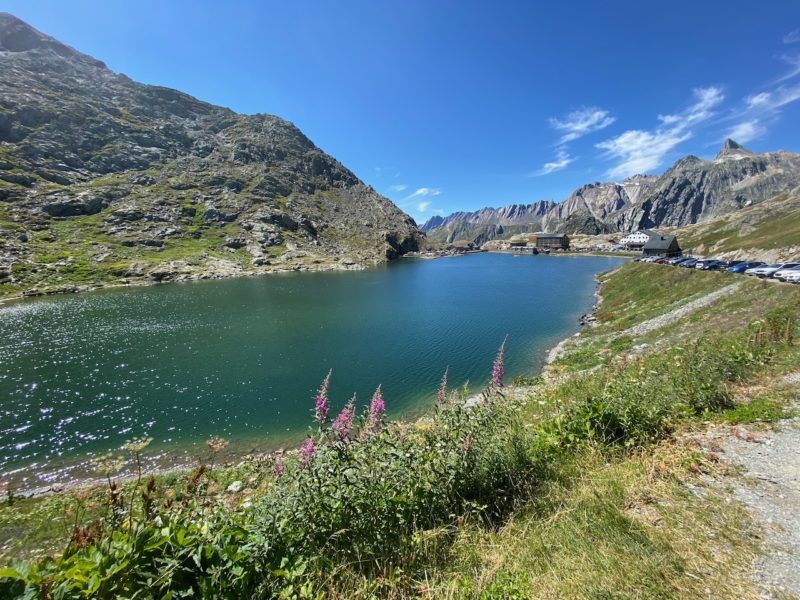
Summer in the mountains. Image © PlanetSKI