





Heavier Flooding Forecast in the Alps
18th July 2026
For every degree the Earth warms heavy rainfall becomes more intense. This has an impact on flooding, according to a statement issued by the WSL Institute for Snow and Avalanche…
Read more >
For every degree the Earth warms heavy rainfall becomes more intense.
This has an impact on flooding, according to a statement issued by the WSL Institute for Snow and Avalanche Research, SLF, that is based in Switzerland.
The SLF’s forecasts, based on hourly data from 384 watercourses across the Alpine region, are significantly bleaker than previous ones.
Studies carried out to date had shown that, in the Alps, flood levels could decline, or even remain stable, by the end of the century, due to the reduction in the amount of snow melting in spring.
However, these forecasts are based on daily data that do not take sufficient account of short episodes of heavy rainfall.
When hourly data is taken into account, the results are very different.
“We did not expect such differences compared with the daily data,” says Paul Astagneau, a hydrologist at the SLF.
For every additional degree Celcius, heavy hourly rainfall is around 7% more intense.
Floods will occur more frequently, starting as early as the middle of the century.
Extreme floods, which occur on average once every 100 years, will be five to 15% more intense in the Alps and could occur more frequently, every 45 to 80 years.
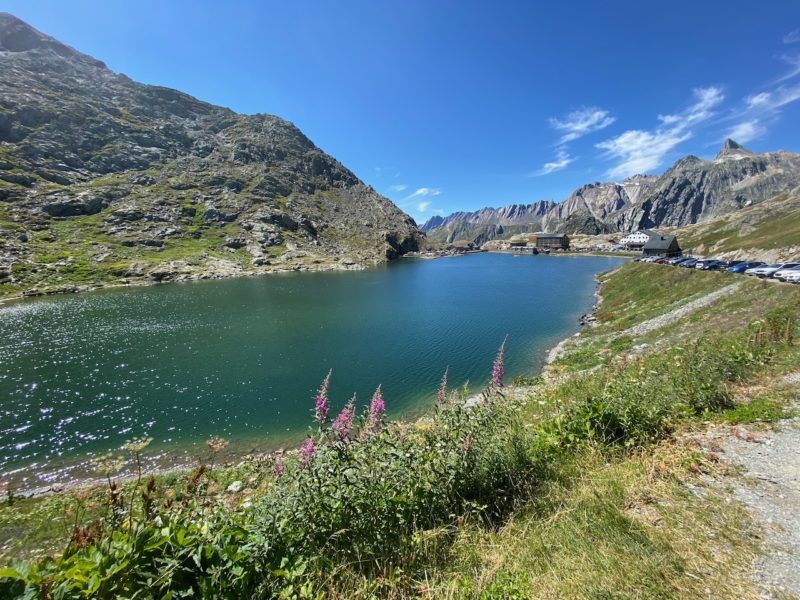
Summer in the mountains. Image © PlanetSKI