






Final Preparations for New UK/EU Border System Underway
10th September 2025
Last modified on September 12th, 2025
The EU’s much-delayed new digital border system, the Entry/Exit System or EES, will be gradually introduced this autumn. We look at how it will be rolled out as skiers will be one of the first large group of holidaymakers to be affected. NEW
The EES will be officially rolled out on October 12th.
The new biometric border rules will last until April 9th 2026 before the scheme is fully operational at all EU borders from April 10th 2026.
It will affect most skiers and snowboarders from the UK who are heading to the mountains of mainland Europe this coming season.
We reported on the announcement in September on PlanetSKI:
EES is a digital system designed to keep track of when non-EU citizens enter and leave the Schengen Area.
EES will eventually replace the current system which requires individual passports to be checked and stamped by a border officer
The system is meant to strengthen security and ultimately make travel smoother, but there are concerns it could lead to long queues when people first register.
It remains unclear which ports or airports will start the system on the date and not all passengers will be affected.
The Port of Dover and Eurotunnel has said that car passengers will not be subject to the EES biometric tests on October 12th.
EES checks will only go live for people travelling by coach.
Car passengers will be subject to the new system from November 1st, so those driving to the Alps at the start of winter will be affected.
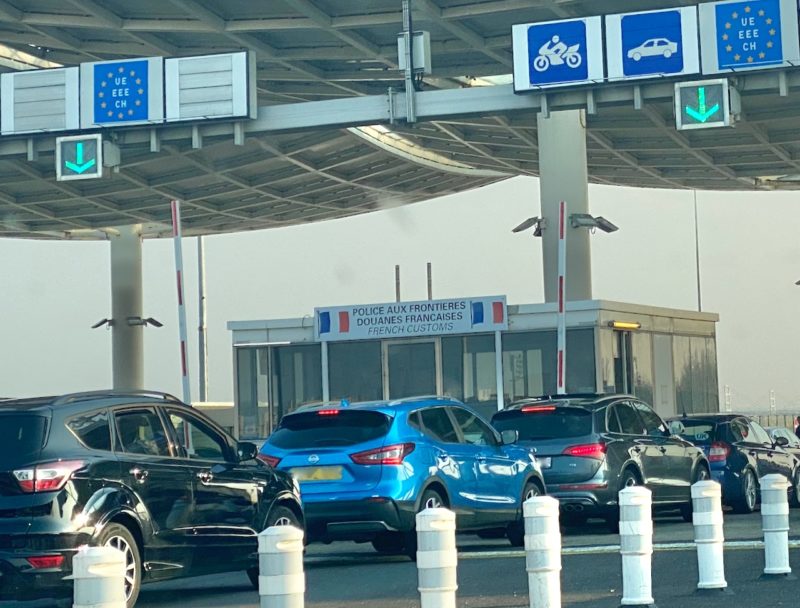
France border controls. Image © PlanetSKI
The BBC’s Transport Correspondent, Katy Austin, reports in detail on the changes on the BBC website and answers some common questions.
We reproduce part of her article:
What will passengers have to do under EES?
The first time they use the new system, people from most non-EU countries – including the UK – will have to register biometric information while having their passport scanned.
This may be done with a border officer, depending on where people travel to.
Flight passengers will register when they arrive at their destination airport.
But registration will be done as you leave the UK if you are crossing the English Channel by ferry from the port of Dover, taking the Eurotunnel shuttle to France, or getting the Eurostar train.
At these places, passengers will have to follow the instructions on kiosks – automated machines installed in dedicated areas.
The machines will scan each passport, then take fingerprints and a photo.
Children under 12 won’t have to provide fingerprints. Staff should be on hand to help.
The machine’s screen will also present travellers with four questions about their trip, such as confirming where they will be staying and that they have enough money.
Eurostar has already installed 49 EES processing machines at London St Pancras
Eurostar has installed 49 EES kiosks in three areas around its London St Pancras terminal. Passengers will use them before presenting their ticket at the departures area.
But it says all passports will continue to be stamped manually until EES is fully rolled out in 2026.
Eurotunnel, which runs vehicle shuttles through the Channel Tunnel, has installed more than a hundred kiosks at each side.
A mobile phone app has been developed to enable passengers to do part of the process before reaching the border. However, this won’t be widely used when EES is first introduced.
The EES registration will be valid for three years, with the details verified on each trip during that period.
What are the concerns about the introduction of EES?
Concerns have repeatedly been raised that the time it takes to complete the registration process could lead to big queues, particularly at space-constrained Dover.
The port of Dover previously planned to give ferry passengers tablet devices so they could register inside their vehicles. However, a source told the BBC that Dover now plans to also use kiosks.
During the initial transition period, the port will be able to temporarily stand down EES if queues get too long, and revert to manual passport stamping.
Eurostar hope its decision to limit EES initially to some business travellers will help to avoid any significant queues.
What is ETIAS and when is that coming?
The EU is also introducing a new visa waiver system linked to passports called the European Travel Information and Authorisation System (ETIAS), which will build on the EES.
Citizens of non-EU countries who don’t need a visa to enter the EU – including people from the UK – will be able to apply online for authorisation before they travel.
ETIAS isn’t due to start until the end of 2026, but the final date has not yet been confirmed.
It will cost €20 per application, and will be valid for three years.
People aged under 18 and over 70 will need to apply, but won’t have to pay.
Here at PlanetSKI we will be reporting on the phased roll out across the winter and how it impacts on skiers and snowboarders.
PlanetSKI: Number 1 for digital ski news
Your digital platform for ski news, resort information, travel, equipment rental, sport, money saving deals and everything connected with snowsports – web site, social media & more.